SDG 2 · Zero Hunger
Protecting harvests directly increases the food supply available to households and local markets.
Impact
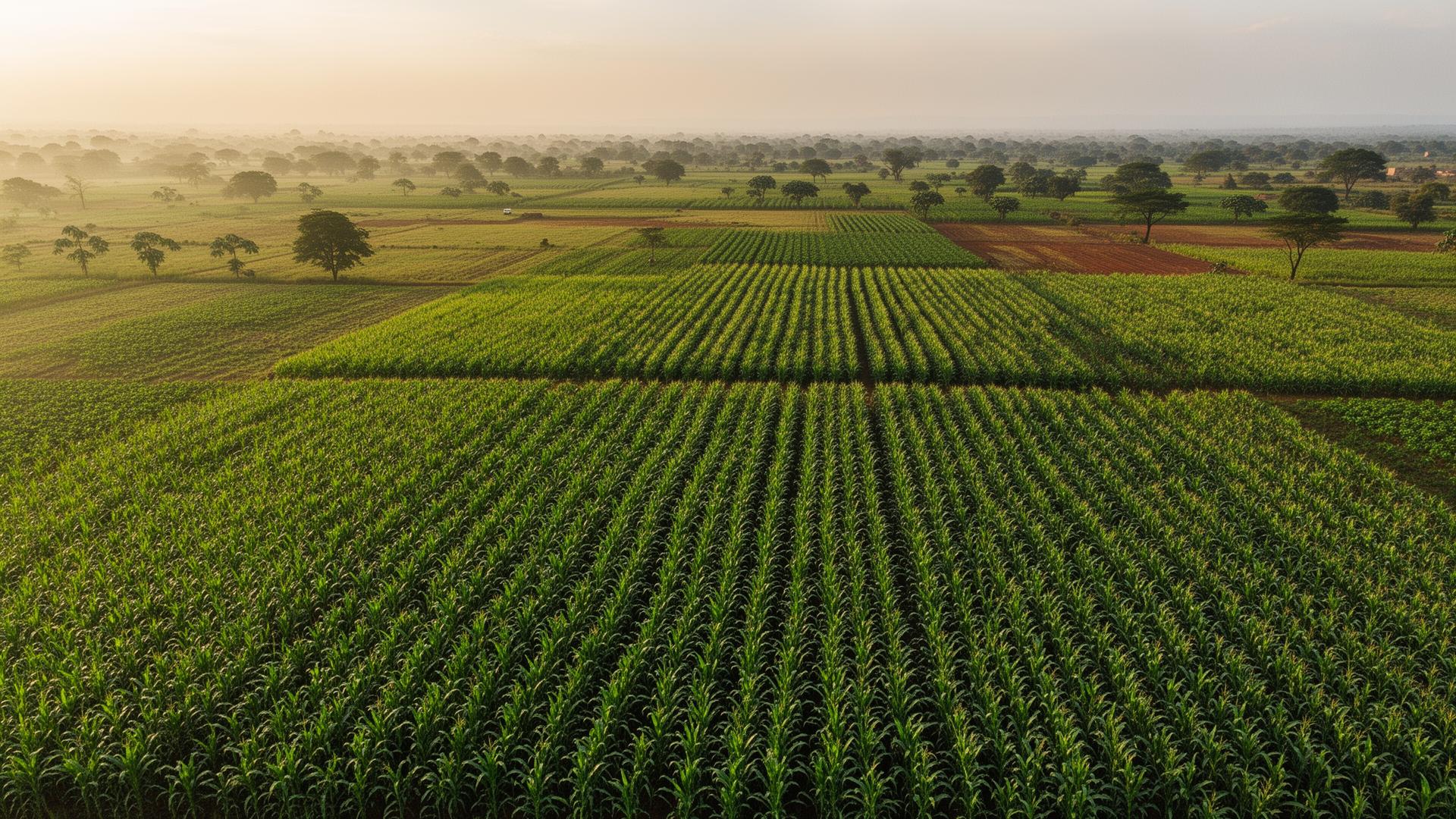
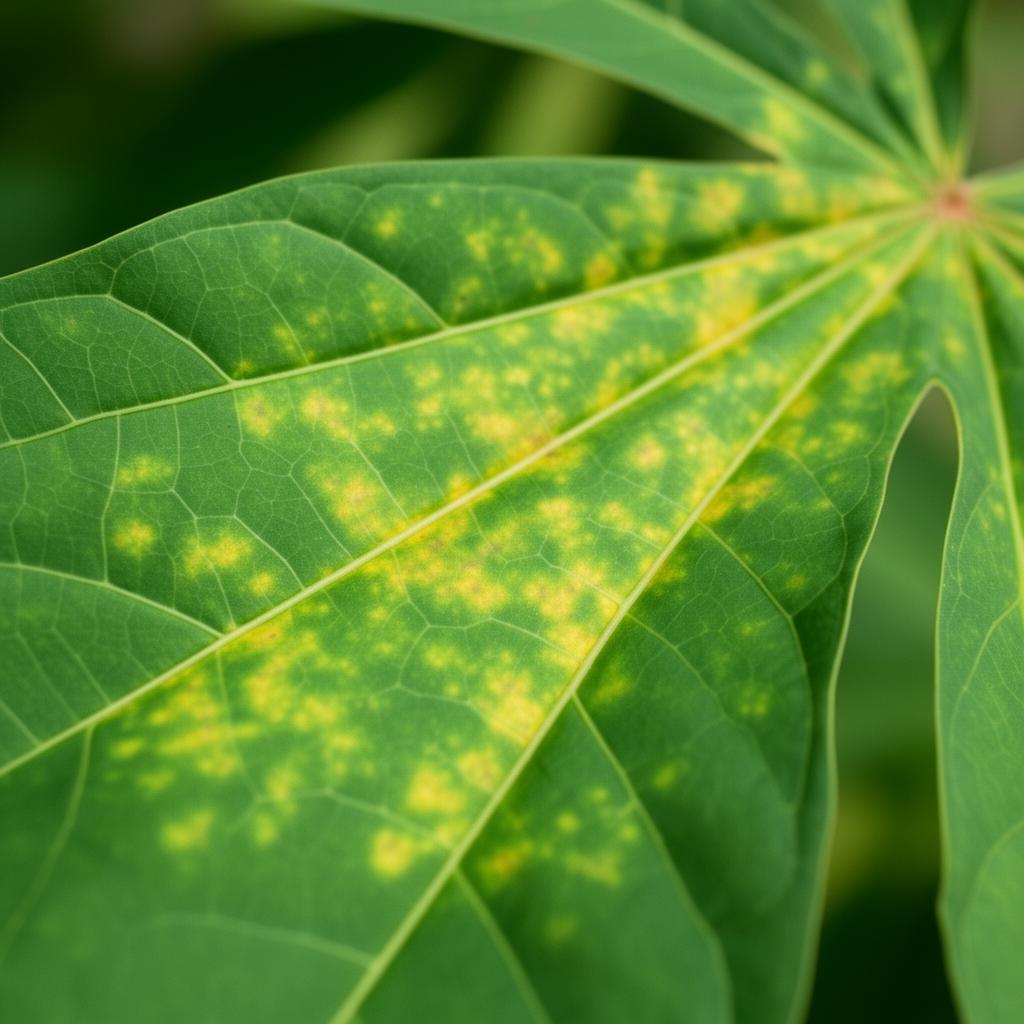
CropSentry exists to put a real, measurable dent in the 40% of African harvests lost to preventable crop disease each year. This is what we're building toward — and how we measure ourselves.
The numbers we're chasing
40%
of harvests lost to preventable disease across Sub-Saharan Africa
33M+
smallholder farms CropSentry is built to serve
7–14
days earlier disease detection vs. visible symptoms
80%+
smartphone penetration in our launch markets
Our four pillars
Every prevented outbreak is income kept in a household. We measure success by yield retained per farmer per season, not by app downloads.
Africa imports $50B+ in food annually. Reducing on-farm losses is the cheapest, fastest way to close the gap.
Correct diagnoses replace blanket spraying with targeted treatment — protecting soil, water, and pollinators.
Our app is designed for shared-phone households, voice-readable diagnoses, and low-literacy interfaces.
Aligned with the UN SDGs
Protecting harvests directly increases the food supply available to households and local markets.
Smallholder farmers keep more of what they grow — and earn more from what they sell.
Right-diagnosis means right-treatment — less chemical overuse and runoff.
AI-driven early detection adapts faster than human extension to climate-shifted disease patterns.
Women farm 40%+ of African land. We design for shared phones, low literacy, and local languages.
African AI, trained on African crops, deployed at the edge — built locally, scaled regionally.
How we measure ourselves
We report quarterly on four core metrics: yield retained per farmer, chemical use avoided, outbreaks contained, and women farmers actively using the platform. First pilot results are landing now as our cooperative rollout continues.